


What Is A Flying Elbow In Golf?
A flying elbow on the backswing is when your trail elbow bends excessively and points out and away from your body at the top.
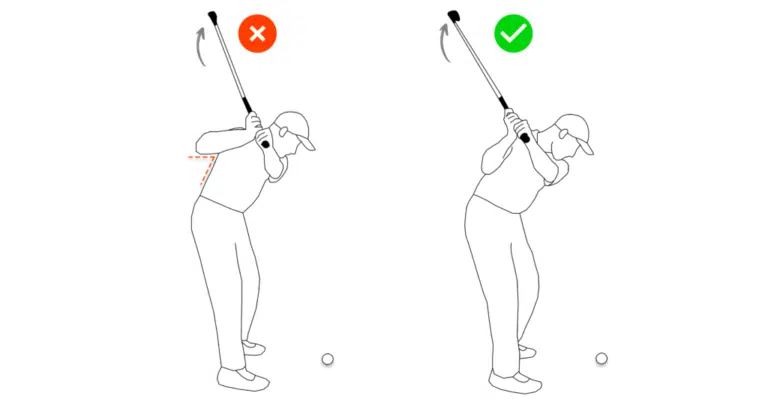
How It Affects Your Golf Shots
- Loss of Distance
A flying elbow reduces swing width. With a narrow swing, you will lose a lot of distance. - Over-The-Top Downswing
A flying elbow often pushes the club into a steep, over-the-top downswing and causes a slice. - Flipping or Casting Motion
It can also cause fat and thin shots, which come from compensations in the downswing such as flipping or casting.
What Causes A Flying Elbow On The Backswing?
- Arm Only Lift
Lifting the arms without turning the chest makes the trail elbow flare away from the body. - Limited Body Movement
Tight shoulders, chest or upper spine restrict the turn and push the elbow outward. - Lack of Shoulder Rotation
When the shoulders do not turn, the arms are forced to lift. This can lead to a high flared trail elbow. - Weak Grip or Poor Setup
A weak grip or standing too close make the elbow bend out early. - Poor Posture
Slouching at address restricts shoulder turn. Rounded shoulders make the elbow flare more likely. - Early Wrist Hinge
Excessive hand action early in the swing narrows the arc. This often results in elbow flare. - Stiff Lead Arm
Forcing the lead arm to stay straight creates tension that makes the trail elbow stick out. - Steep Backswing
A vertical backswing often pushes the elbow to flare, narrowing the swing even more.
Use GolfWiz AI Swing Analysis to pinpoint the exact technical errors holding you back.
What Other Faults Does A Flying Elbow Cause?
- Casting
Early releasing of the wrists is likely when you have a flying elbow on the backswing. - Over-The-Top Move
From a flared position, the elbow and the arms throw the club out of the plane in a steep out-to-in downswing. - Inconsistent Low Point
A flying trail elbow makes the swing arc and the low point inconsistent. Learn more about Low Point in Golf by Trackman.
Swing Cues & Feels
- Turn Your Body – Don’t Lift the Arms
Imagine your torso pulling the club back rather than your arms doing the work. - Slow and Wide Backswing
Keep the swing slow and wide. A three-quarter turn with width is better than a long and narrow swing.
Swing Adaptations
- Shorter Backswing
Use a slightly shorter backswing to stay connected and reduce the chances of your trail elbow flaring out. - Stand Taller
Stand a little taller at address to create more space for your arms to swing freely in the backswing.
FAQs About Flying Elbow in Backswing
Is a “flying elbow” ever okay in a golf swing?
While 18-time major winner Jack Nicklaus was famous for his flying right elbow, this fault causes inconsistency for most amateurs. Staying connected is far more reliable.
Without a coach, how do I know if I have a flying elbow?
The GolfWiz AI app can detect a flying elbow for you instantly. The app highlights 50+ swing errors and shows you the exact drills to fix them. Start for FREE now.
Can my setup cause a flying elbow on the backswing?
Yes. Standing too close to the ball can restrict your body and force your arms to lift. Ensure you’ve got space at address and allow arms to hang naturally.
How long does it take to fix this flaw?
With consistent practice of the right drills and feels, you can see improvement within weeks.
Does this issue happen more with the driver or irons?
It can occur with any club but can be more severe with the driver. Trying to hit your driver far tends to make the elbow flare worse.
Alternate Names
- Flared Elbow
Final Thoughts
A flying elbow on the backswing is a power-draining flaw. Now that you understand why it happens and how it affects your shots, you can make changes that improve your golf swing.
Use GolfWiz to pinpoint swing errors accurately and get AI-assisted drills for your swing.
Unlock your FREE AI-Powered Swing Analysis now.